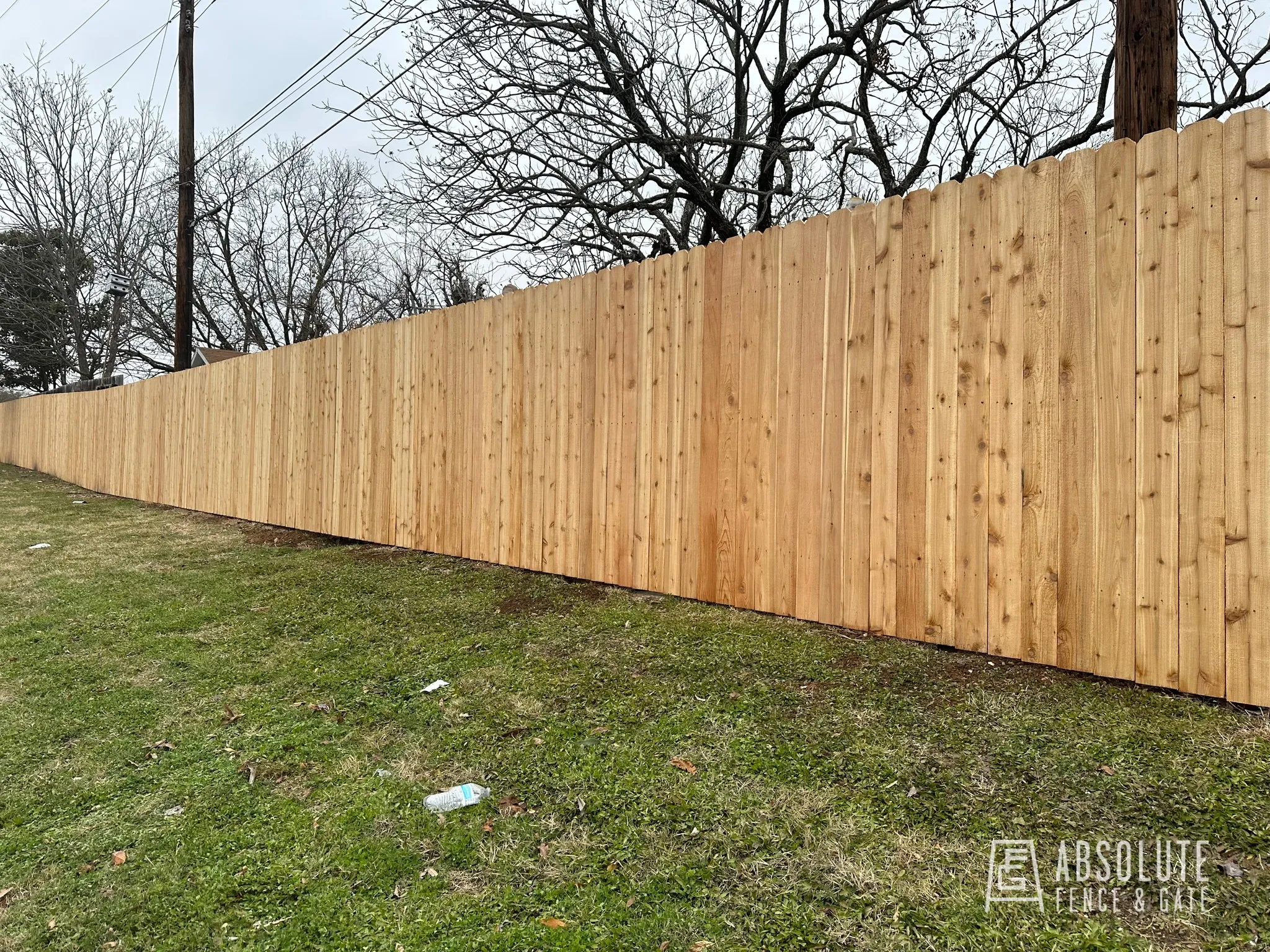
If you’ve been noticing more clean, linear fence lines around Austin neighborhoods lately, you’re not imagining things. Horizontal wood fence ideas have become some of the most requested designs for homeowners looking to update their property. Whether you’re fencing a new build in East Austin or updating a backyard in Cedar Park, this style has a way of making a property look intentional and current.
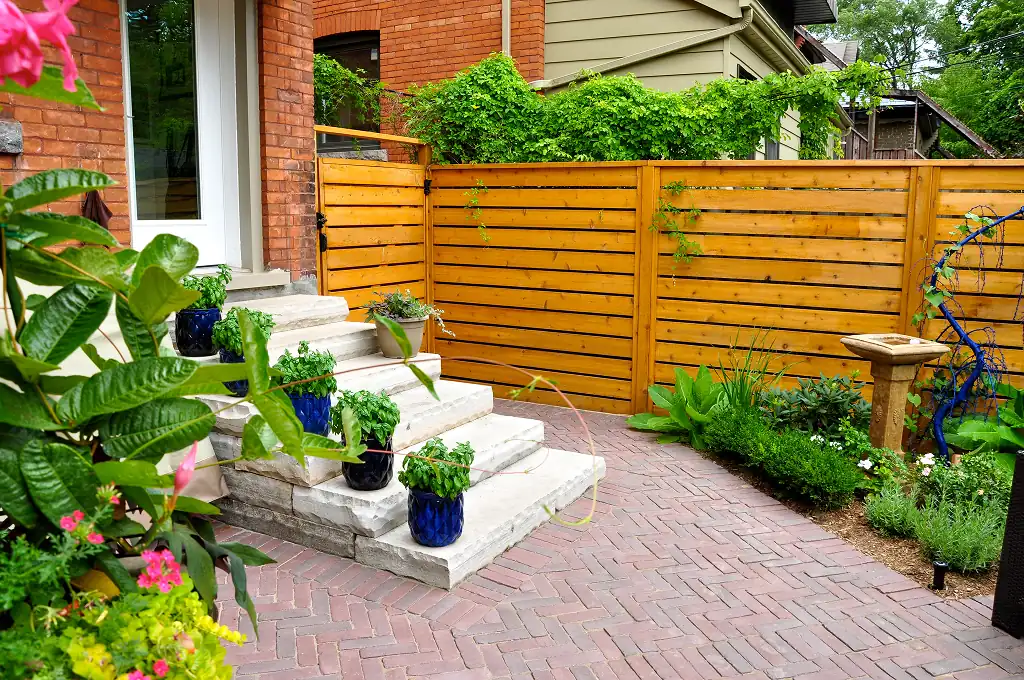
At Absolute Fence & Gate, we build custom wood and cedar fences across the Austin area, and a horizontal fence Austin homeowners request most often has become one of our specialties. Here’s why this look has taken off, some ideas worth considering, and how it compares to a traditional vertical fence.
Why Horizontal Fences Are Taking Over Austin Yards
Austin has a strong appetite for modern architecture, and horizontal fencing pairs naturally with it. Where a vertical picket fence reads as classic or traditional, horizontal boards give a property clean sightlines and a slightly more minimalist feel. It’s the same reason horizontal siding and slatted screens have shown up on so many new builds and renovations around the city.
There’s also the wood itself. Horizontal designs give you long, unbroken planes of wood that highlight the grain of cedar in a way vertical boards don’t showcase as well. For homeowners who want a fence that doubles as a design feature, not just a property line marker, horizontal is often the style that delivers. You can see examples of both approaches in our project gallery.
Horizontal Wood Fence Ideas Worth Stealing
If you’re planning a horizontal fence, there’s more flexibility here than most people expect. A few ideas we’ve built for Austin clients:
- Mixed cedar tones. Alternating lighter and darker cedar boards adds depth without needing paint or stain.
- Black metal framing accents. Steel posts or cap rails in matte black give the fence a modern, architectural edge.
- Shadow box spacing. Small gaps between boards let light and airflow through while keeping the yard private.
- Two-tone panels. Combining a horizontal lower section with a lattice or slatted top section for added height without a fully solid wall.
- Board-and-batten hybrid. Horizontal boards with vertical trim pieces at intervals, breaking up long fence runs visually.
- Natural stain finishes. A clear or lightly tinted stain that lets the cedar age gracefully rather than masking it.
Any of these can be adapted to fit a front yard, backyard, or pool enclosure. We’ll walk through options that fit your property and budget when you request a free quote.
Horizontal Fence vs Vertical Fence: Which Is Right for Your Property
The horizontal fence vs vertical fence decision usually comes down to style, structure, and how the fence needs to perform.
Vertical fences are the traditional choice. They’re straightforward to build, tend to be more budget-friendly, and work well for properties with sloped or uneven ground since each picket can be adjusted independently. If your yard has a lot of grade change, vertical boards often follow the slope more easily than horizontal runs.
Horizontal fences require a sturdier frame. Because the boards run the length of the fence line instead of dropping straight down, they need reinforced posts and rails to prevent sagging over time. That means a bit more engineering up front, but the payoff is a sleeker, more contemporary appearance that many Austin homeowners are willing to invest in.
Neither style is objectively better. It really depends on whether you’re going for a classic, low-maintenance look or a modern statement piece. Take a look at how each style compares on our fence styles page, where you can see horizontal and vertical builds side by side.
What to Consider Before Building Your Horizontal Fence
A few things worth thinking through before committing to a horizontal design:
- Post spacing. Horizontal fences typically need posts spaced closer together than vertical fences to support the weight of long boards.
- Wood movement. Cedar expands and contracts with humidity, so proper spacing between boards helps prevent warping.
- Height and privacy needs. Taller horizontal fences need additional structural support to stay rigid.
- HOA guidelines. Some Austin neighborhoods have specific rules about fence style and height, so it’s worth checking before finalizing a design.
We handle all of this during the planning and quoting process, so you’re not left guessing about what your yard can support.
Frequently Asked Questions
Does a horizontal fence cost more than a vertical fence?
It can, since horizontal designs usually require additional framing and closer post spacing to stay structurally sound.
Can a horizontal fence handle a sloped yard?
Yes, though it takes more planning. Vertical fences naturally accommodate slope more easily, but a well-built horizontal fence can still work on graded lots with the right approach.
How long does cedar last in a horizontal fence design?
With proper staining and sealing, cedar horizontal fences typically hold up well for many years in Austin's climate.
Ready to Build Your Horizontal Fence in Austin
Horizontal wood fencing has earned its popularity in Austin for good reason. It looks modern, highlights natural wood grain, and gives homeowners a way to stand out without going overboard. If you’re weighing your options between styles, our team at Absolute Fence & Gate can help you figure out what fits your property, your budget, and the look you’re going for. Get your free quote and let’s talk through the right fence for your yard.